Everyone a merchant, everyone an influencer, a post by Dan Silver
- From
- Dan Silver@thesilverlining3
- On
- Substack
- Date
- 7 November 2026
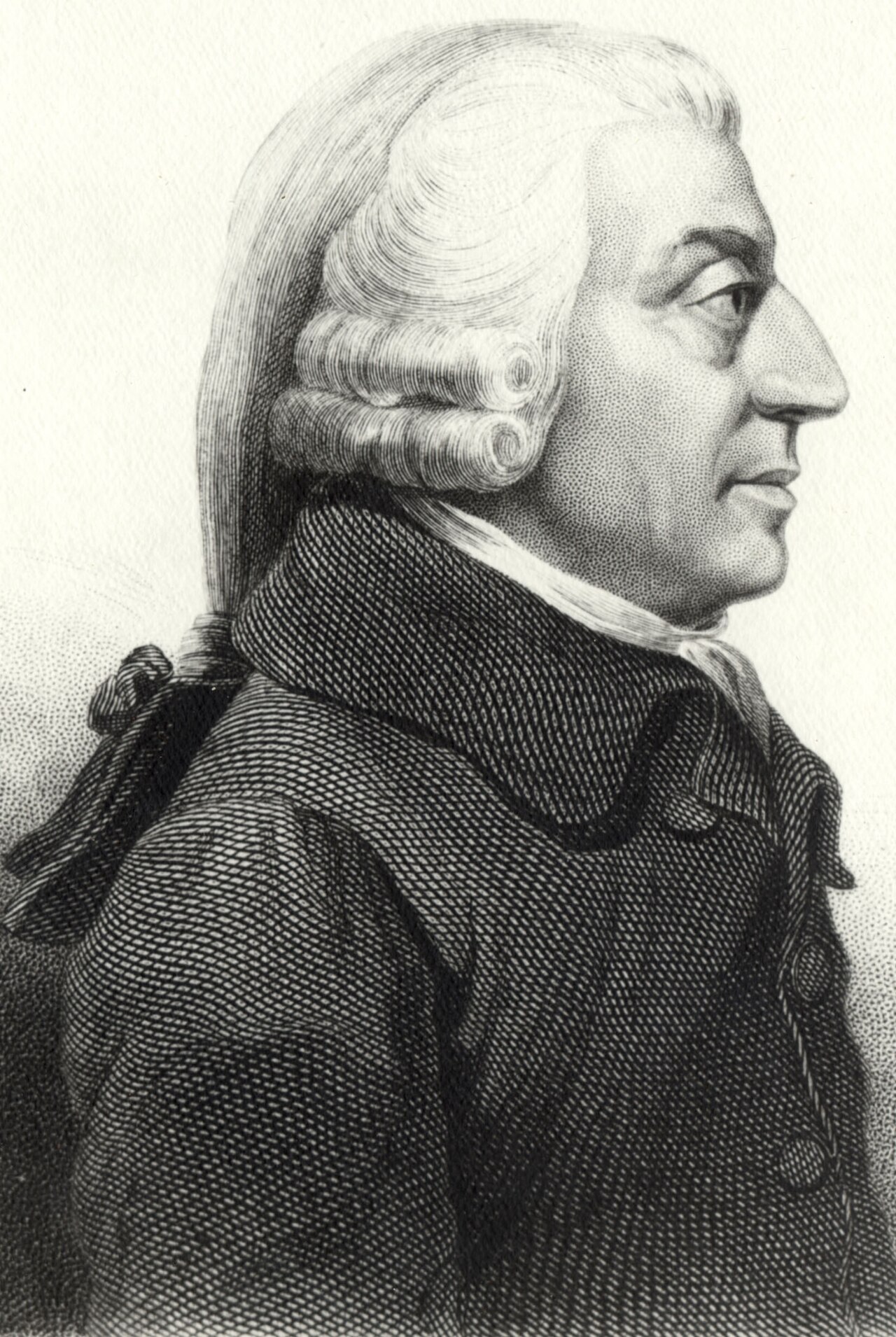
Adam Smith wrote that, in a commercial society, “every man thus lives by exchanging, or becomes in some measure a merchant.” On social capitalist platforms, as we all come to be measured by influence metrics, we all become, to that extent, influencers.
Why it's here
I mentioned this note by Dan Silver in my rant about the Internet, but it deserves its own place. In a few short paragraphs, it captures something I’ve struggled to articulate: how being online changes the way we think about making things. It began as a reply. Another writer, e-phemera, admitted that gaining followers had created a nagging pressure to post more, and a sense of hollowness whenever she did. Silver’s answer is a gem. A berry you grow for yourself and a berry you grow for the market taste exactly the same. The difference is that the second answers to prices. An essay is the same: the moment it becomes “content,” it answers to likes, follows and views. He calls this “social capitalism,” and borrows Adam Smith’s observation about commercial society:
Every man thus lives by exchanging, or becomes in some measure a merchant.
On platforms, Silver says, we all become, in some measure, influencers. What I like about the note is that it doesn’t moralize. Nobody chooses to become an influencer. We’re malleable creatures, shaped by our environment far more than we’d like to admit, and mostly without noticing. Put a counter under every post, and you’ll start writing for the counter. Some of that happens consciously; most of it doesn’t. You can’t opt out of being shaped. But you can notice it, and noticing is the first defense. Every so often, it’s worth asking yourself: am I growing berries, or growing for the market? B.
See also
- WikipediaThe Wealth of Nations (Wikipedia, opens in a new tab)An Inquiry into the Nature and Causes of the Wealth of Nations, usually referred to by its shortened title The Wealth of Nations, is a book by Scottish economist and moral philosopher Adam Smith.
- WikipediaCommodity fetishism (Wikipedia, opens in a new tab)Through commodity fetishism, social phenomena such as market value, wages and rent are reified while people who determine them—traders, capitalists, landlords—are made to seem passive or obscured altogether.
- WikipediaGoodhart's law (Wikipedia, opens in a new tab)Goodhart's law is an adage that has been stated as, "When a measure becomes a target, it ceases to be a good measure".
- WikipediaAttention economy (Wikipedia, opens in a new tab)The attention economy refers to the incentives of advertising-driven companies, in particular, to maximize the time and attention their users give to their product.